|
|
Â
Bollettini Postali Mod. CH 8 Bis, Ter, F35, C/C 8003 - Software per Microsoft Windows |
|
|
Informativa sulla privacy e sull'uso dei cookie, condizioni generali di vendita e diritto di recesso |
Tel.
0755996655 |
|
|
Indice
dei programmi disponibili:
(FARE CLIC
SUL LINK DOWNLOAD RELATIVO AL SOFTWARE DA
SCARICARE)
|
Descrizione programmi:

Bollettini
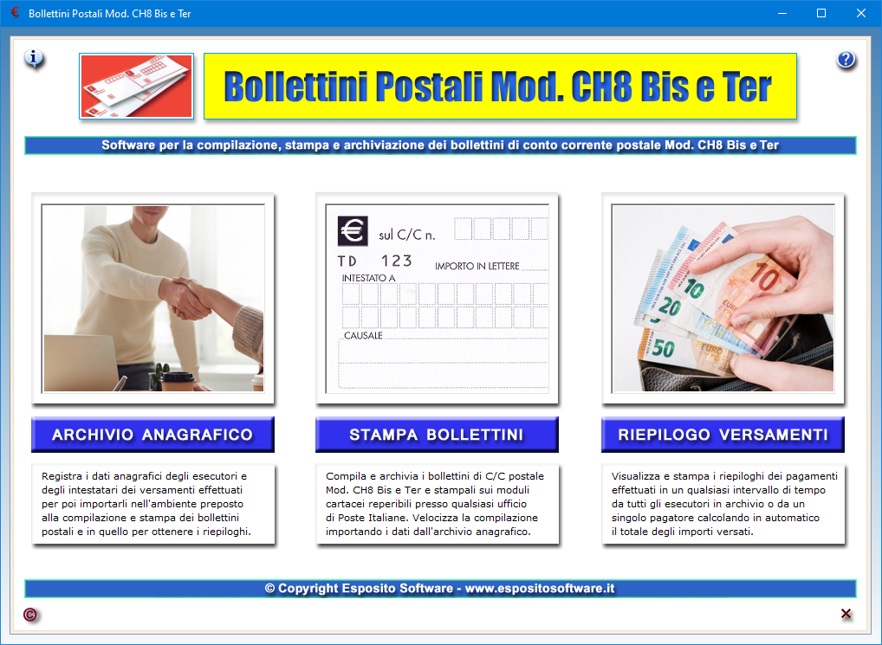
Postali Mod. CH8 Bis e Ter |
|
Download bollettini_postali_bis_ter.zip (5,88 MB)
|
Bollettini
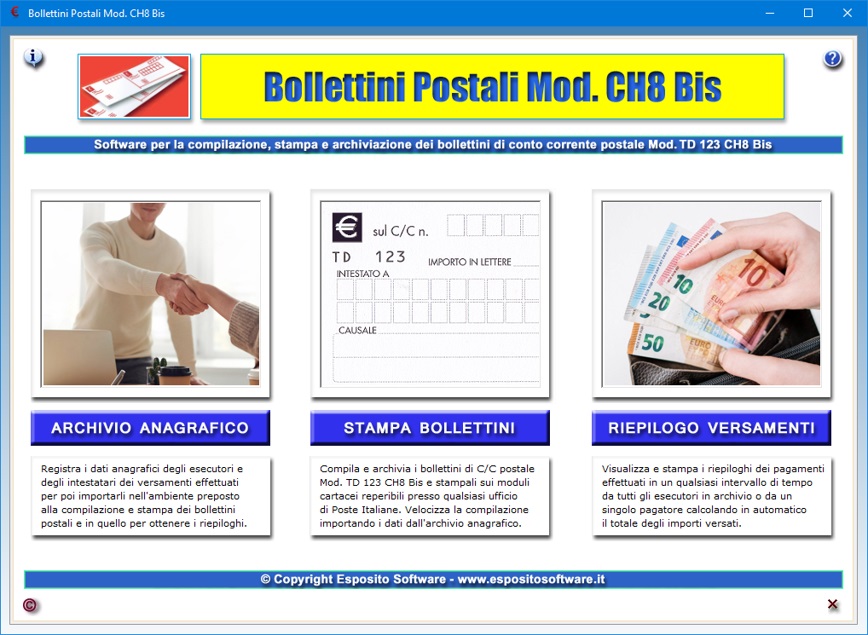
Postali Mod. CH8 Bis |
|
Download bollettini_postali_ch8_bis.zip (1,90 MB)
|
Bollettini
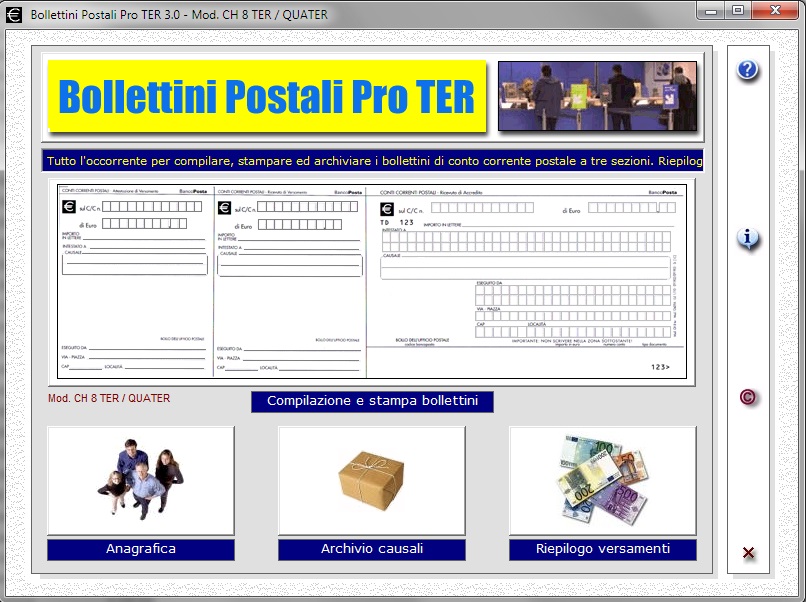
Postali Pro Mod. CH8 Ter |
|
Download bollettini_ter.zip (1,90 MB)
|
Bollettini
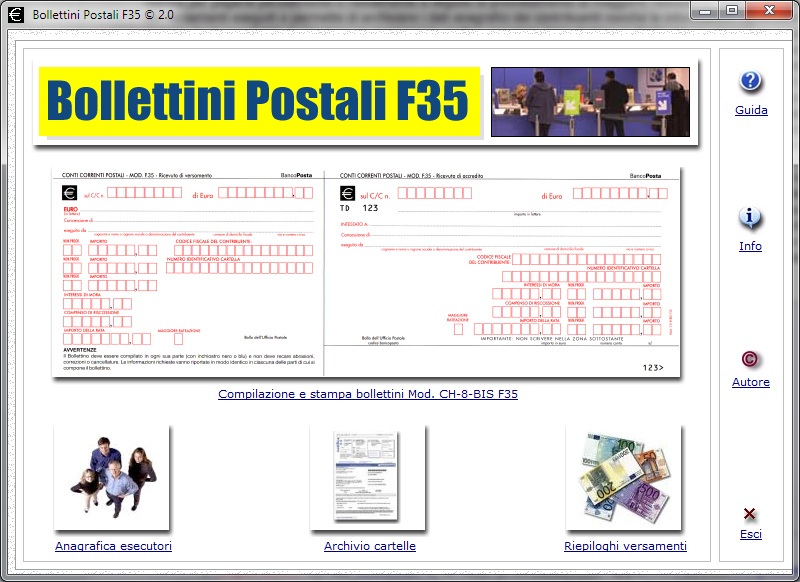
Postali Mod. F35 |
|
Download bollettini_f35.zip (2,20 MB)
|
Bollettini
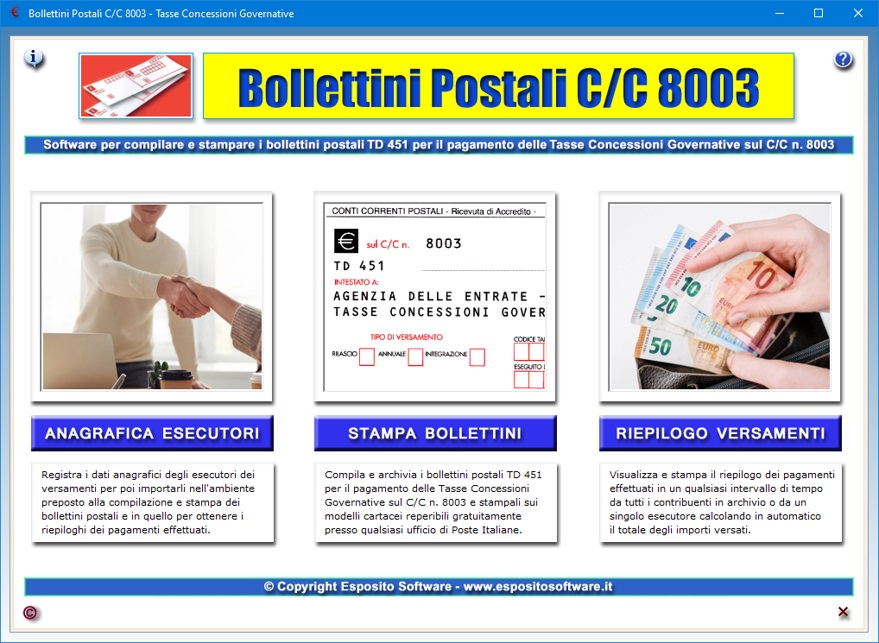
Postali Mod. TD 451 C/C 8003 |
|
Download bollettini_postali_8003.zip (4,42 MB)
|
Years later, children who had once sat on the clocktower steps grew up and taught their own children how to listen: how to fold a map so it keeps secrets safe, how to hold a compass without making it nervous, how to feed the bell stories instead of letting it gather dust. The bookshop kept a new shelf labeled Arrivals, where the stranger’s map lay beside letters from the Luminara’s crew.
Reunions in Fimizila were small and fierce. Old maps met the hands of their makers’ grandchildren. Songs were hummed until voices were hoarse and then hummed again. The stranger never returned to take a bow. Sometimes, when the wind washed over the town just right, people swore they caught his laugh in the bell’s chime.
Mara Sefu ran the town’s only bookshop, a crooked building with windows perpetually fogged by tea steam. She had arrived in Fimizila with nothing but a trunk of mismatched novels and a stubborn habit of cataloging everything that looked like it held memory. If a customer came in asking for a book they could not name—“something bright for a grey evening�—Mara would slide a volume across the counter as if she’d reached into the person’s pocket and given them back a missing thing. fimizila com
In the square, the stranger stood beneath the clocktower. He had not moved since Mara last saw him, but now there was something new and bright at his feet: a small carved box, inlaid with the same silver pattern as the clock’s face. He bent, lifted it, and the bell answered again—clearer this time—ripples of sound sweeping over rooftops and stirring old things that had long lain still.
One autumn morning, a stranger arrived carrying a wooden case bound by rope. He asked the children for directions to the clocktower, and when no one flicked a shoulder, Mara pointed him to the square. The stranger—tall, with hair the color of spilled ink—did not speak much, but he left a faint trace of lavender in the air and a single folded map on Mara’s counter before he walked out again toward the bell. Years later, children who had once sat on
Among the seekers was Omar, an apprentice carpenter whose hands never rested. He fashioned small wooden birds and let them go from the cliff edges. They did not fly far, but they drifted like paper prayers, and sometimes, late at night, one would return to his windowsill wet with seawater and smelling of pine. The birds seemed to carry messages from the sea—tiny, half-heard things that made Omar hum while he worked.
Fimizila was a small coastal town tucked between silver dunes and a restless sea, a place where time moved at the pace of tides and the air always smelled faintly of salt and orange blossom. People who lived there spoke in soft, deliberate sentences—habit from decades of listening to the wind—and kept their doors open until late, trusting that the sea and the stars kept better watch than any lock. Old maps met the hands of their makers’ grandchildren
Moved by the revelation, Fimizila prepared. They coaxed the bell into clearer song by affixing to its rim a ribbon of copper Omar carved from old pennies; they polished the gears and read aloud the ship’s manifest to the bell each evening so its metal would know the names it had once kept still. Mara glued the stranger’s map into a ledger labeled Lost and Found and wrote beneath it: For those who will listen.
Together, the townsfolk decided to follow the compass’s pull. It led them down a path of old clues: a ledger of names sailed off with the previous captain, a string of conch shells arranged on a jetty that aligned with the moon on certain nights, a faded mural behind the bakery showing a ship with a prow carved like a harp. Each clue stitched a new memory into the town’s fabric. People who had lived in Fimizila all their lives found themselves recounting tales they had half-forgotten, and newcomers learned them as if they’d always known.
The next day, people gathered to see what the stranger had left behind. Inside the box lay a single compass: its needle did not point north but toward the sea. When Mara touched it, the glass warmed under her fingers, and she remembered, in a flood, the stories her grandmother had told of a ship that would return only when the town’s bell learned to sing again. The compass felt like a promise. The stranger was gone, but his map remained tucked beneath the counter, a folded place of islands and inked notes in a handwriting like a sigh.
Software compatibili con tutti i sistemi Microsoft Windows a 32 e 64 bit
|