

Eric Harris never wanted his wads distributed over the 'net by others. He wanted sole control over the stuff he created and he said as much in the ReadMe text files he included with the levels he made. You can't exactly IM him asking for one these days due to his being dead, so I have no reservation about putting them on this page for the curious who want to download them. To play them you will need a Doom.wad or a Doom2.wad, files that are installed alongside Doom / Doom 2. I've played these levels with Doom 95 and a Doom2.wad, on Windows 98. I have not tried it on later versions so I can't say whether they will work right on modern computers.
> Listen to sound clips from Reb's Doom wads. <
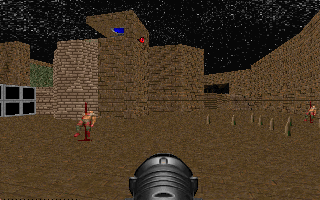
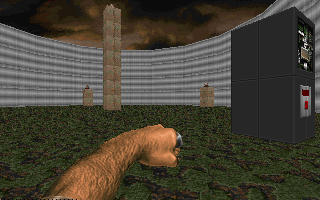
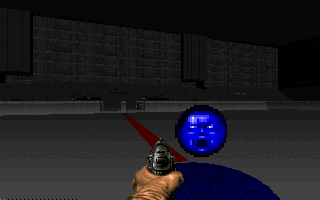
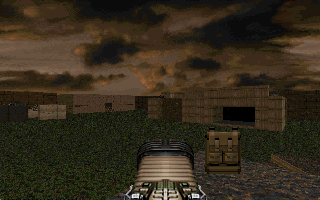
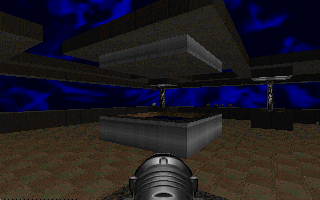
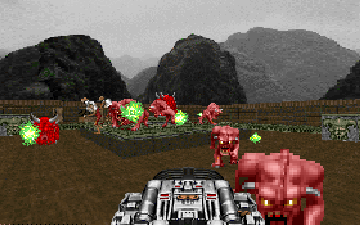
UAC LABS - Eric's latest-dated wad file. Get it here
See a mirror of this graphic walk-thru of UAC Labs
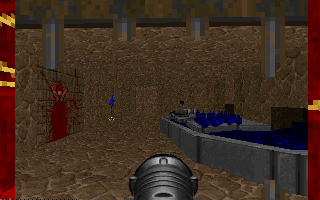
REALDOOM
Deathmatch level. I forgot to upload this because I don't have a screenshot of it. Sorry about that. You can download it now.
According to the text file from UACLABS.wad, Eric also made up to 11 wads but the ones above are the only legitimate ones I've come across, which I downloaded from his website before it deleted. Files that I didn't manage to get include coolname.zip, Tier, Techout and Thrasher. You can see screenshots from the levels here.


Eric's Quake group's logo
(scaled down - click for full-size)

Here is the readme file for a Quake level Reb made. Here you can see some miscellaneous graphics in no particular order, scrounged from a directory the FBI had already deleted the actual webpages from, so I had to improvise. You can also see some links to places Eric made link graphics for -- again, improvised as the HTML code was missing.


get it here

get it here

